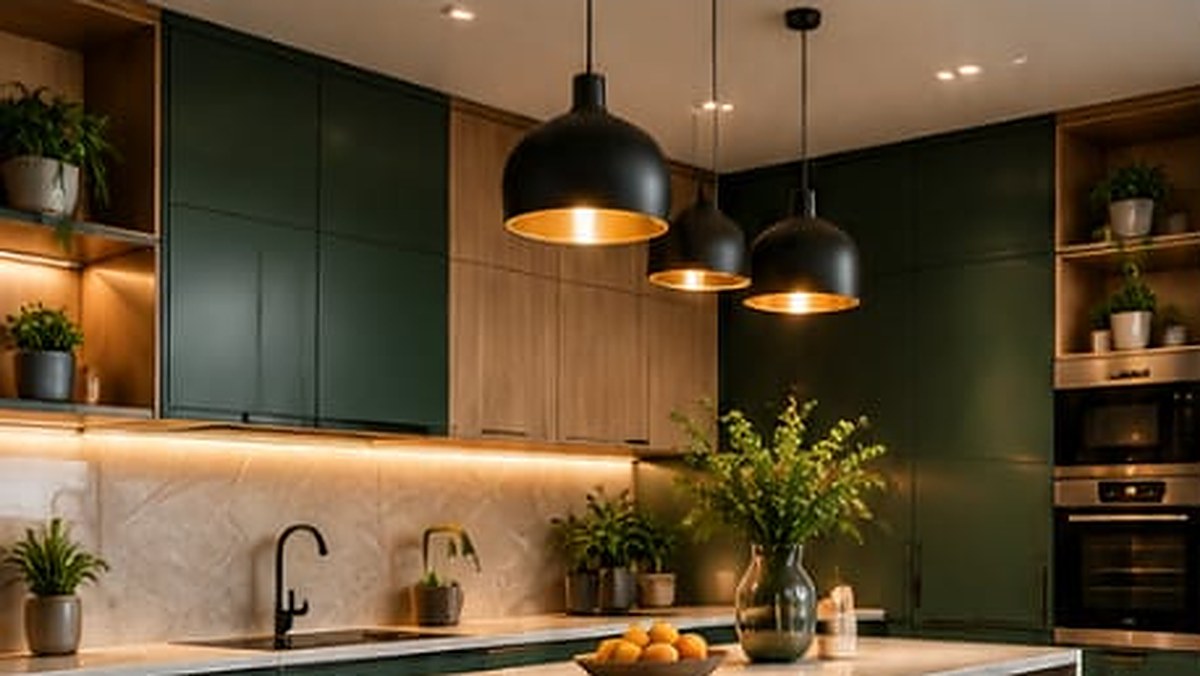
Kitchen materials: how to choose the right one for cabinets and worktops
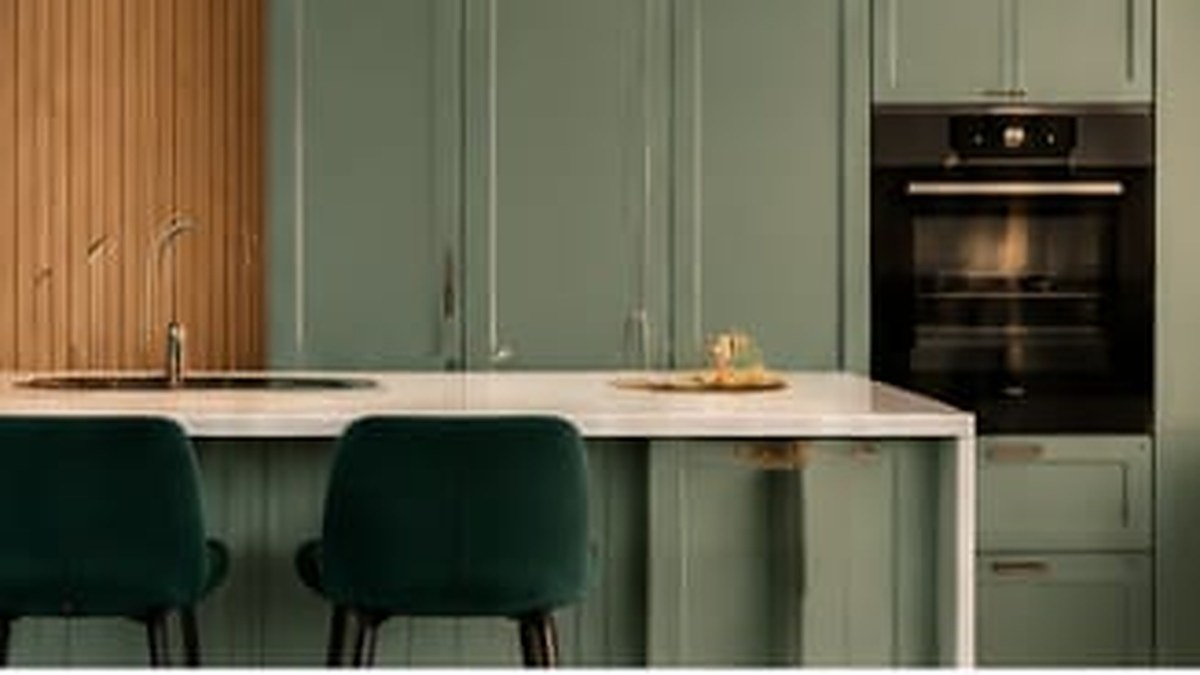
A simple comparison of the most common cabinet materials (MDF, HPL, acrylic, solid wood) and worktops (granite, marble, quartz, solid surface).
The material you choose decides how long the kitchen lasts, how it looks and what it costs, so it is worth knowing the difference before you decide.
Cabinet materials:
Moisture-resistant (green) MDF: suited to kitchen conditions and takes paint and many kinds of facing.
HPL: a high-pressure laminate that stands up very well to scratches, heat and moisture, and is very practical for daily use.
Acrylic and high-gloss lacquer: an elegant glossy surface for modern kitchens, but it shows fingerprints and needs care when cleaning.
Solid wood: a warm, luxurious look suited to classic kitchens; it needs good treatment against moisture and costs more.
Worktops:
Granite: hard and heat-resistant; it is best sealed from time to time because it absorbs liquids to varying degrees.
Marble: beautiful but more porous and affected by acids such as lemon and vinegar, so it needs more care.
Quartz: a non-porous surface that is easy to clean with consistent colours, but hot pans should not be placed on it directly.
Solid surface (Corian-type): no visible joints and scratches can be repaired, but it is less resistant to heat and scratching than stone.
Hinges and runners: these are what you use most every day, so choose soft-close hinges and runners from a reliable make even if the main material is an economical one.
Tip: ask to see and touch material samples before signing, and compare quotations on the basis of the same material, thickness and type of fittings.